
Cream of Tartar Substitutes
Last updated on Oct 22, 2026Kevin SinghelRunning out of cream of tartar can leave you scrambling for a substitute and disrupt your kitchen’s flow if you’re not prepared. Whether you're stabilizing egg whites, activating baking soda, or preventing sugar crystallization, the right cream of tartar replacement depends on the recipe's purpose. From lemon juice and white vinegar to baking powder and yogurt, there are several cream of tartar substitutes you can pull from your pantry to keep service going smoothly.
Shop All Cream of Tartar- 1. Lemon Juice
- 2. White Vinegar
- 3. Baking Powder
- 4. Buttermilk
- 5. Yogurt
- 6. Tartaric Acid
- 7. Citric Acid
- 8. Corn Syrup
What Can You Substitute for Cream of Tartar?
Cream of tartar, or potassium bitartrate, is the acidic powder formed from crystals that settle in wine barrels during fermentation. It stabilizes egg whites for meringues and macarons, activates baking soda in snickerdoodles and quick breads, and keeps sugar from recrystallizing in caramel, frosting, and hard candy. When replacing cream of tartar, you need a swap that supplies the same acidity and stability. To help, we’ve created a list of the best substitutes for cream of tartar in baking and cooking:
1. Lemon Juice
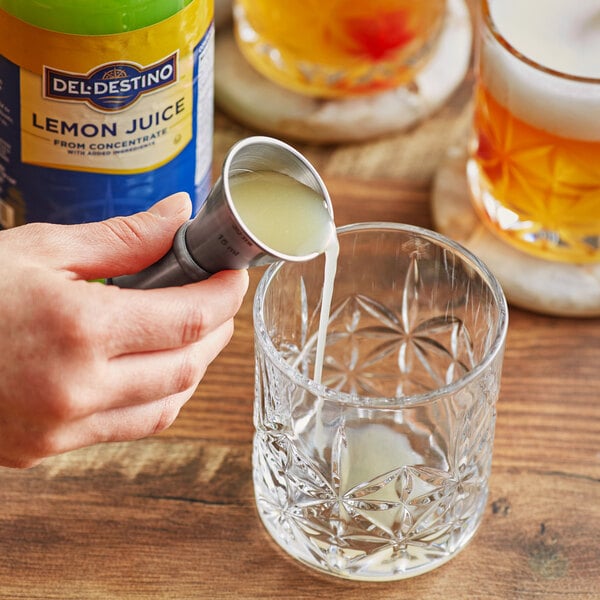
Lemon juice is a close everyday match for cream of tartar because it supplies acid. That acid slows the protein bonding in whipped egg whites, so meringues, pavlova, and angel food cake hold their peaks, and it keeps sugar syrups and frostings from recrystallizing. Lemon juice is pale yellow, but in the small amounts used here it won’t visibly tint white batters or glazes. It’s also already on the line at most bars and catering prep stations.
Lemon juice is a liquid, so it adds a little moisture where cream of tartar adds none. That rarely matters in a few egg whites, but it can matter in macaron shells and other batters that don’t absorb a lot of water. The citrus flavor is also noticeable once you scale up, and it works best where lemon is welcome, like lemon meringue pie, lemon bars, and angel food cake. Use strained fresh juice or a standardized bottled juice for consistent acidity, and skip any juice with pulp that could leave flecks in a white meringue. Meringue made with lemon juice can be slightly less stable than meringue made with cream of tartar, and may soften sooner in humid conditions or in the display case.
- How to Substitute Lemon Juice for Cream of Tartar: Use 2:1 lemon juice to cream of tartar for egg-white stabilization.
- Best Uses: Meringues, pavlova, angel food cake, and lemon meringue pie.
- Lemon Juice vs Cream of Tartar: Cream of tartar is a dry, neutral powder with no flavor or added moisture, while lemon juice is a liquid with a citrus taste. Both are acidic enough to stabilize egg whites, but cream of tartar gives longer-lasting structure.
2. White Vinegar
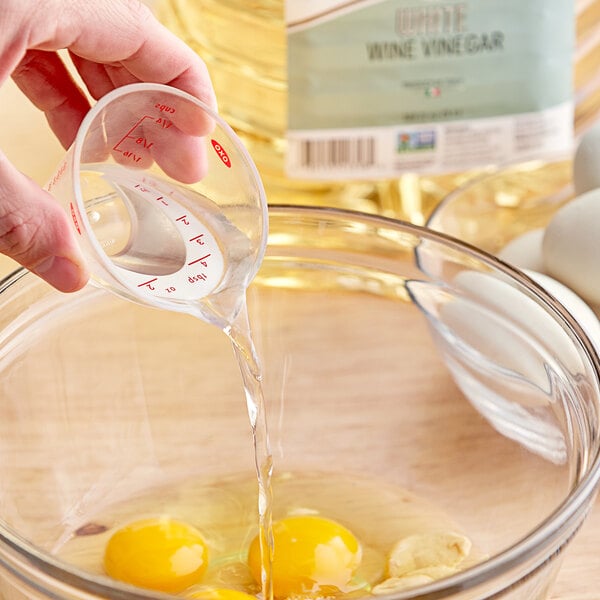
White vinegar is the most neutral acid you can swap in for cream of tartar. It’s clear and thin, so it won’t tint a white meringue, icing, or glaze. Distilled white vinegar is also a staple in most commercial kitchens and comes in gallon jugs, so you can skip a special order for a small recipe. Its acidity slows protein bonding in whipped egg whites, so souffles, pie meringues, and pavlova still whip to firm, glossy peaks.
White vinegar has a sharper smell than cream of tartar, which is odorless, and it can show up in uncooked or lightly cooked items. In baked meringues the aroma usually fades in the oven, but taste a test batch first if the product is going straight to a customer. Keep the quantity small, since vinegar adds liquid that cream of tartar doesn’t, and a larger swap raises the risk of flavor and texture changes. Use food-grade distilled white vinegar at standard acidity, and avoid darker vinegar types.
- How to Substitute White Vinegar for Cream of Tartar: Use 2:1 white vinegar to cream of tartar for egg-white stabilization.
- Best Uses: Meringues, souffles, and pie meringue toppings.
- White Vinegar vs Cream of Tartar: Cream of tartar is a dry, odorless powder, while white vinegar is a sharp-smelling liquid that adds moisture. Both are acidic enough to stabilize egg whites, but vinegar works best in small amounts rather than large-batch production.
3. Baking Powder

Baking powder is a practical swap for cream of tartar when a recipe also calls for baking soda, because it already contains both. Commercial baking powder is a blend of baking soda, a dry acid, and a starch filler, so it supplies the leavening that cream of tartar and baking soda would deliver together. It’s a white, dry, nearly flavorless powder, so it won’t tint batters or add moisture the way a liquid acid does.
Baking powder replaces cream of tartar and the baking soda in the recipe, so you will need to modify the original recipe if it contains baking soda already. Too much baking soda and your recipe could rise too fast, taste metallic or soapy, and brown unevenly. It also doesn’t do cream of tartar’s other jobs, so it isn’t a good fit for stabilizing egg whites or controlling sugar crystals. In cookies like snickerdoodles you’ll notice the swap, since cream of tartar gives them a slight tang and soft chew that baking powder won’t reproduce. Choose double-acting baking powder for the most reliable lift in oven production, and check the date on the container, since old baking powder loses strength.
- How to Substitute Baking Powder for Cream of Tartar: Use a recipe-specific substitution, although 2 tsp. baking powder per 2 tsp. cream of tartar + 1 tsp. baking soda is common for items like snickerdoodles.
- Best Uses: Cookies, cakes, biscuits, scones, and quick breads that call for both cream of tartar and baking soda.
- Baking Powder vs Cream of Tartar: Cream of tartar is a single dry acid, while baking powder is a complete leavening blend of acid, baking soda, and starch. Baking powder lifts a batter on its own, but it won’t stabilize whipped egg whites.
4. Buttermilk
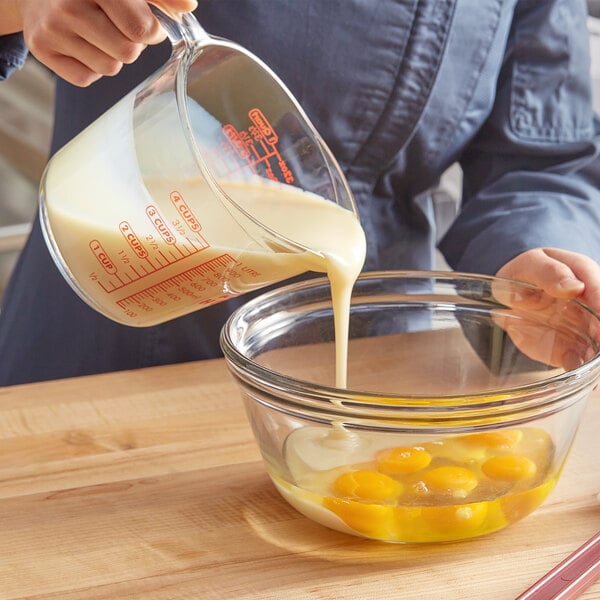
Buttermilk is a good swap for cream of tartar in batters because it’s acidic enough to activate baking soda and produce lift. Its tang is mild, and in pancakes, waffles, and biscuits it tastes like the buttermilk those items often already contain. It’s ivory-colored and thick, and it gives baked goods a moist, tender crumb that cream of tartar’s dry acidity doesn’t. Kitchens that already buy buttermilk by the quart or gallon for breading, brines, and breakfast service have it on hand, so the swap doesn’t need a new item.
Buttermilk’s acid is what activates the soda, so this only works in recipes that already contain baking soda. It suits liquid-rich batters like pancakes, waffles, and quick breads, not low-liquid doughs like snickerdoodles. Expect a slightly tangier, richer result, and remember it adds dairy for allergen labeling. Choose plain, cultured buttermilk, stir it before measuring, and test before scaling.
- How to Substitute Buttermilk for Cream of Tartar: In suitable batters, replace some of the recipe's milk or water with an equal amount of cultured buttermilk, then adjust the baking soda and other ingredients as needed.
- Best Uses: Pancakes, waffles, biscuits, muffins, quick breads, and cakes
- Buttermilk vs Cream of Tartar: Cream of tartar is a dry, neutral powder, while buttermilk is a tangy liquid that adds moisture and richness. Buttermilk activates baking soda for lift, but it can’t stabilize whipped egg whites.
5. Yogurt
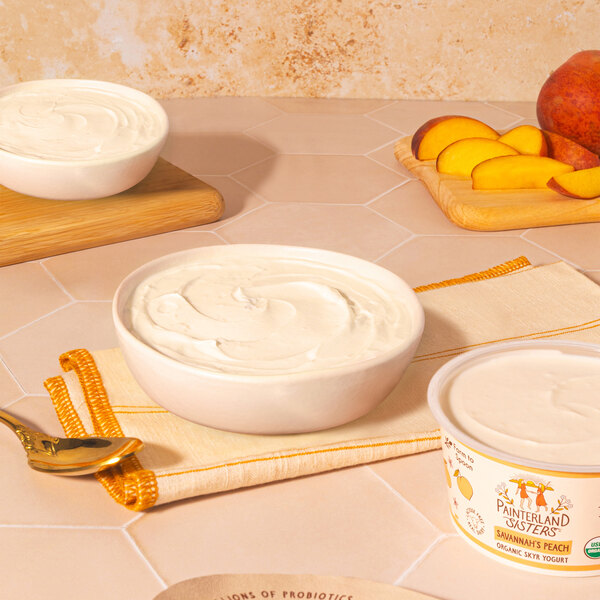
Yogurt works as a swap for cream of tartar in batters because its lactic acid is enough to activate baking soda and create lift. It’s mildly tangy, so it adds a subtle sour note that suits pancakes, muffins, and cakes. Plain yogurt is white to off-white, so it won’t visibly change the color of most batters, and it gives baked goods a soft, tender crumb.
Thin plain, unsweetened yogurt with milk or water to a pourable consistency, then use it in place of part of the recipe’s liquid, counting the thinning liquid toward the total. This works only in recipes that contain baking soda and suits liquid-rich batters, not low-liquid doughs. Expect a tangier, moister result. Yogurt adds dairy, so update your menu's allergen labeling to reflect that, and test before scaling.
- How to Substitute Yogurt for Cream of Tartar: In suitable batters, replace some of the recipe's liquid with plain, unsweetened yogurt thinned with milk or water, then adjust the leavening as needed.
- Best Uses: Pancakes, muffins, quick breads, and cakes
- Yogurt vs Cream of Tartar: Cream of tartar is a dry, neutral powder, while yogurt is a thick, tangy dairy product that adds moisture and richness. Yogurt can activate baking soda for lift, but it can’t stabilize whipped egg whites.
6. Tartaric Acid
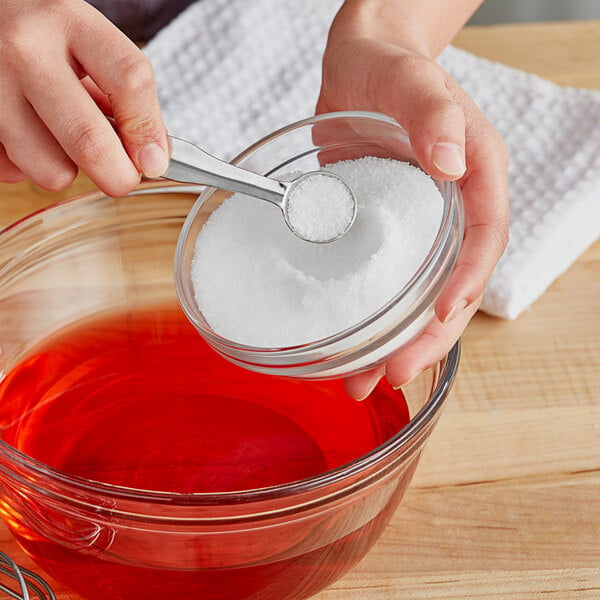
Tartaric acid is the closest relative of cream of tartar, because cream of tartar is what you get when tartaric acid is partly neutralized. Cream of tartar forms as crystals inside wine barrels during fermentation, and commercial tartaric acid is made from winemaking byproducts. It’s a white, dry, fine crystalline powder, so it adds no moisture and no color, and it dissolves easily into egg whites, syrups, and dry mixes. Food-grade tartaric acid is sold by the pound for baking, candy-making, and beverage work, and since a recipe only needs a small amount, a single container goes a long way.
Tartaric acid is more acidic than cream of tartar, and although there is no universal conversion, you'll likely need roughly half as much. Overdoing it gives the recipe a sharp, sour taste. Weigh it on a scale or measure carefully with small measuring spoons, because a slight overshoot is easy to taste in a delicate meringue or buttercream. The swap is hard to notice at the right amount, but there is less published guidance for it in baking, so run a test batch before committing it to a high-volume item. Use only food-grade tartaric acid labeled for human consumption, and keep it stored and labeled away from the cream of tartar so the two don’t get mixed up.
- How to Substitute Tartaric Acid for Cream of Tartar: No universal conversion, although 1:2 tartaric acid to cream of tartar is sometimes cited.
- Best Uses: Meringues, sugar syrups, candies, and frostings.
- Tartaric Acid vs Cream of Tartar: Cream of tartar is partly neutralized tartaric acid, so it’s milder and takes a larger measure. Tartaric acid is stronger, sourer, and needs careful measuring.
7. Citric Acid

Citric acid is a dry, white, crystalline powder that gives you the acid that cream of tartar supplies while adding little moisture. It’s clean and sharply sour, and it has no other flavor to carry into a recipe, so a small amount won’t change the taste of a buttercream or sugar syrup. Restaurants that already keep it for canning, bar syrups, or sour candy coatings can use it without ordering anything new, and a single container covers a lot of batches because the amounts are so small. Like cream of tartar, it helps keep sugar from recrystallizing in syrups, frostings, and candy.
Citric acid can supply acidity in selected baking and confectionery applications, but its suitability and required amount depend on the formula. Dissolve it in a small amount of water first so the crystals spread evenly, because clumps can leave sour spots and uneven results. It may also stabilize whipped egg whites less reliably than cream of tartar, so test a batch of meringue before you use it in a high-volume item. Use only food-grade citric acid, and measure carefully, since a small overshoot can taste sharp in a delicate recipe.
- How to Substitute Citric Acid for Cream of Tartar: Start with roughly one-third as much by weight and adjust in test batches.
- Best Uses: Sugar syrups, frostings, candies, and other recipes where cream of tartar prevents crystallization.
- Citric Acid vs Cream of Tartar: Cream of tartar is a milder, partly neutralized acid, while citric acid is stronger and sharper. Citric acid needs smaller, more careful measurements and is less dependable for stabilizing egg whites.
8. Corn Syrup
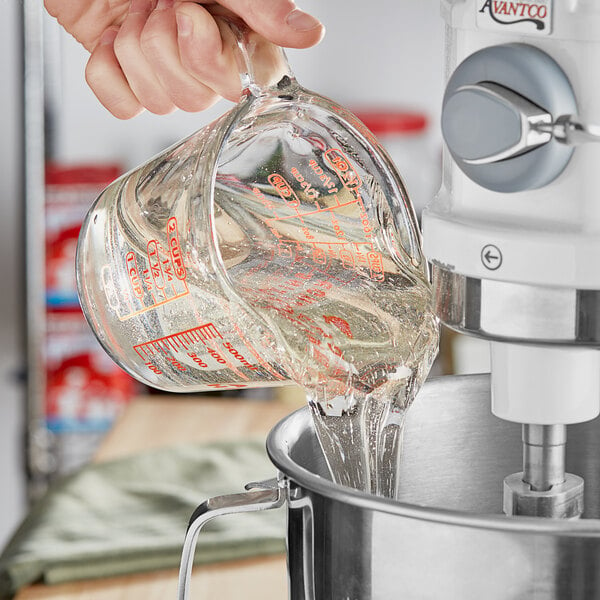
Corn syrup is the substitute to reach for when cream of tartar is in a recipe to keep sugar from crystallizing. It’s a thick, clear liquid that interferes with sugar crystals forming as syrups cool or sit, so caramels, boiled frostings, and sugar syrups stay smooth. Light corn syrup is colorless and mild, so it won’t tint white frosting or darken a caramel the way a more flavorful liquid sweetener could. Bakeries, candy kitchens, and bars already buy it by the gallon for pecan pie, glazes, and sauces, so the swap doesn’t require a new item.
Corn syrup isn’t a one-to-one swap, as you use it in place of part of the sugar and leave the cream of tartar out. It only covers crystal control, and works by physically interfering with sugar crystals. On the other hand, cream of tartar chemically inverts some of the sucrose. Corn syrup won’t stabilize egg whites or leaven a batter, so skip it in meringues, cakes, and cookies. Choose light corn syrup, since dark corn syrup adds color and a molasses-like flavor. For long-held or humid-environment products, test for texture and shelf stability, since the finished candy or frosting may taste and feel slightly different.
- How to Substitute Corn Syrup for Cream of Tartar: Replace up to 1/4 of the sugar with light corn syrup and omit the cream of tartar.
- Best Uses: Caramels, sugar syrups, candies, boiled frostings, and glazes that need to stay smooth.
- Corn Syrup vs Cream of Tartar: Cream of tartar is a dry acid powder, while corn syrup is a liquid sweetener that replaces part of the sugar. Corn syrup controls sugar crystals but can’t stabilize egg whites or provide lift.
Cream of tartar steadies whipped whites, helps batters rise, and keeps boiled sugar smooth, and finding a replacement for such a versatile ingredient can be difficult. The swap that saves a tray of meringue or a pot of caramel is the one best matched to the job. Most of the best cream of tartar stand-ins are already on hand for other menu items, so a small test batch can be affordable, and restaurants who run meringue-heavy menus may still want a tub of the real thing on the shelf.

With almost a decade of content marketing experience, Kevin has learned the ins and outs of various business sectors. Over his four years as a Longform Content Writer with WebstaurantStore, Kevin has spent hours researching and writing about the intricacies of the foodservice industry. Specializing in marketing guides, technical writing, and structured how-to content, he enjoys providing readers with content that guides them in growing and running their bar or restaurant.
Learn more about this author and WebstaurantStore's Content Writing Team here!